We have all heard the stories. A teenager returns from the Amazon or Africa, glowing after two weeks of building houses or painting a primary school. It sounds noble on a LinkedIn post, but let’s be honest. Since when is painting a wall a specialist skill that requires flying a middle-class kid halfway across the world?
The Business of "Playing Hero"
This isn't traditional charity. It is voluntourism. It is a commercial industry where parents pay thousands of pounds for their children to experience a sanitised version of hardship.
When you look closer, the ethics start to crumble. We are spending £4,000 to send a privileged teenager to a developing nation for a photo op with local children. Does anyone truly believe this teaches empathy? Or is it just providing fresh material for dinner party anecdotes?
The "Training" Racket
The most insidious part of this industry is the "training" fee. You are often told you need to pay for special courses or certifications before you can volunteer. These agencies sell this as a way to provide you with the skills to do the work.
In reality, this is just another revenue stream. You are paying for a course that is rarely needed, designed to make you feel like you are gaining professional development. They wrap it up in terms like "awareness building" or "capacity development," but it is just a way to squeeze more money out of people who want to do good.
Marine Conservation: All Cost, No Impact
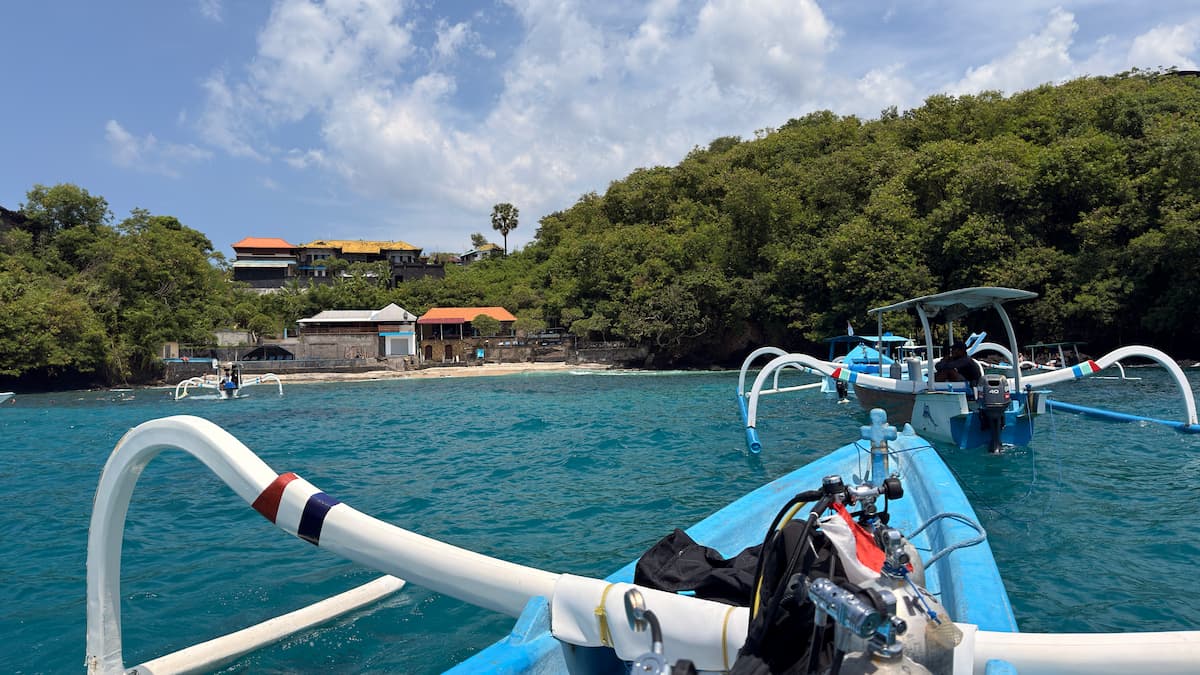
Take my husband, for example. He is a PADI Divemaster with hundreds of dives under his belt. He wanted to volunteer his time for reef restoration and cleanup projects. He approached several organisations, but every single one of them insisted he pay for their mandatory "training" course first.
He did not need basic diving training. He is already a professional. Yet, he struggled to find an organisation that would let him help without handing over thousands of pounds for a course he did not need.
Eventually, he skipped those agencies disguising themselves as charities and went directly to local dive centres. They were happy to have him. All they needed was a short briefing on the specific conservation tasks, like how to safely cut fishing lines and ensure he did not damage the reef. He had the skills already. This proves that the "training" requirement is often just a cash grab. When you look at the real costs of volunteering, it should be about covering genuine expenses, not funding a business model designed to drain your wallet.
Impact vs. Optics
If the goal is genuinely to help, the maths simply does not add up. Consider these points:
- The Cost: That £4,000 could fund local professional builders, dozens of desks, and years of supplies for that same school.
- The Labour: Taking a job away from a local worker so a tourist can feel good is not aid. It is an ego trip.
- The Duration: Two weeks is a holiday, not a commitment.
Real volunteering requires rolling up your sleeves and incurring the least amount of expense possible. It should be about the cause, not the destination or the Instagram grid.
How to Volunteer Properly
If your child wants to make a difference, avoid the commercial agencies and "gap year" organisations.
- Choose recognised charities: Look for NGOs with long term roots in the community.
- Focus on skills: If you are not a doctor, engineer, or teacher, ask yourself why you are the best person for the job.
- Stay local: There are plenty of opportunities to tackle real hardship in our own cities without the massive carbon footprint.
Stop treating poverty like a tourist attraction. If you want to help, send the money and stay at home.
If you are involved in a legitimate project and need to manage expenses properly, tools like vHelp.co.uk help you keep track of actual costs without the commercial fluff. Real volunteering is about transparency and impact, not inflated budgets.